Exporting to the United States can be exciting, the market is massive, and opportunities seem endless. However, many companies stumble on one critical point: food labeling. The FDA (Food and Drug Administration) scrutinizes every detail, and even a minor mistake can cost thousands of dollars. Here’s a practical guide to the key elements your label must meet to ensure your product enters the U.S. market smoothly.
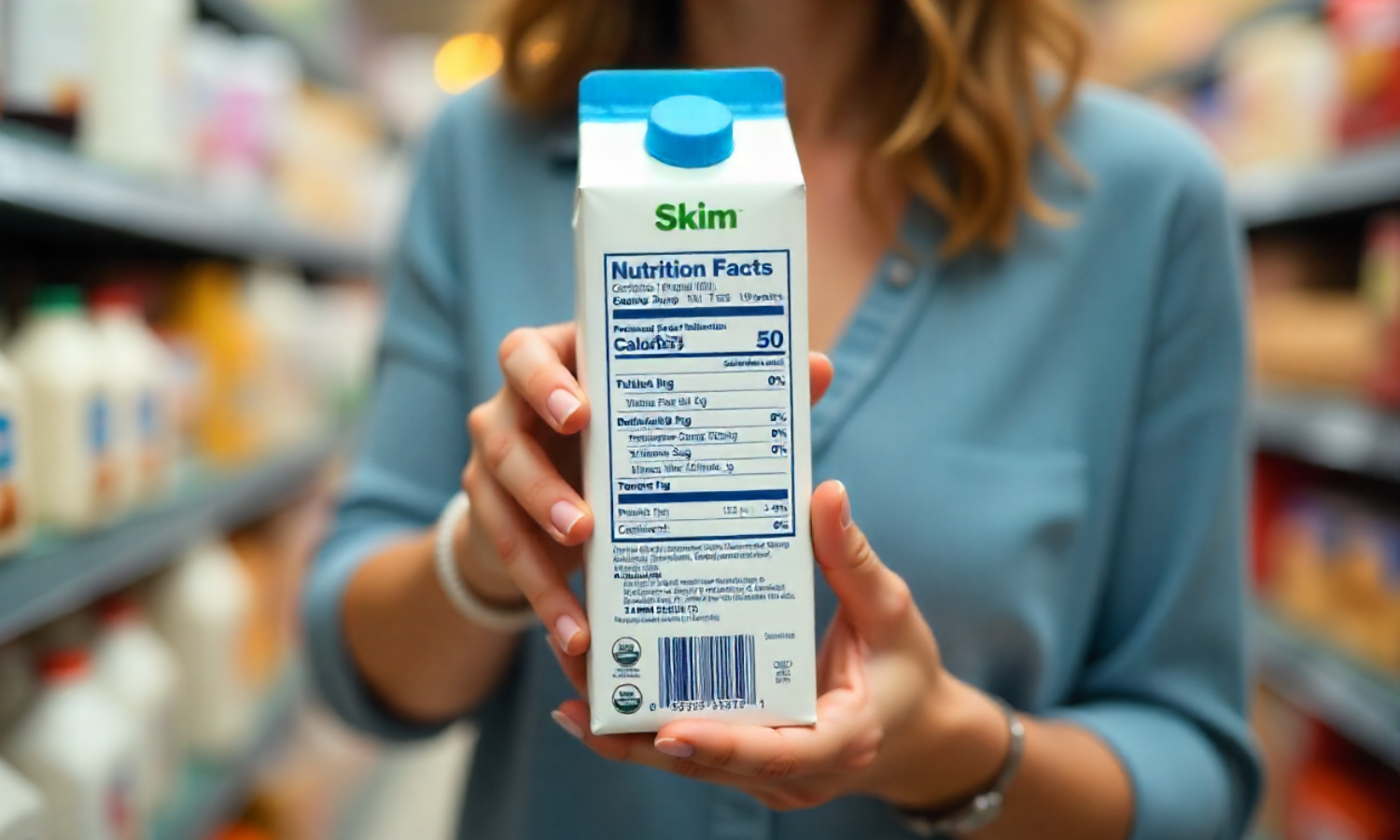
The Nutrition Facts Panel is your product’s introduction to the FDA. It must strictly comply with 21 CFR 101, including:
A common mistake is using a panel designed for Europe or Latin America, where “Added Sugars” or nutrient order may differ. The FDA notices immediately.
List all ingredients in descending order by weight. If you use a composite ingredient (e.g., chocolate or cheese), you must declare its sub-ingredients. Many labels simply say “cheese,” but the FDA expects to see milk, salt, enzymes, and so on.
Since 2023, sesame has been added as the 9th major allergen. Common pitfalls:
This is one of the first areas the FDA checks.
Labels that highlight benefits must comply with FDA rules for:
Common mistakes include promising therapeutic benefits without scientific support, which leads to rejection.
Your label must clearly state who is responsible for the product:
Typical errors: listing only a foreign company, missing ZIP codes, or using unclear abbreviations.
All required information must appear in English. Other languages are allowed but must not overshadow the English text. Common mistakes include bilingual labels where English is secondary or poorly translated.
The FDA regulates minimum font size and readability. Issues arise when companies try to fit too much information in small spaces or prioritize design over clarity.
Certain products have legal definitions:
Mislabeling products can be considered misleading and lead to enforcement action.
Between 2021 and 2024, the FDA issued 53,597 import refusals, nearly half of which were for human food products, primarily due to labeling errors. Imagine losing a $100,000 container over a simple labeling mistake, or ten of them. These risks are real but preventable with proper preparation.
Labeling is more than a requirement, it’s your key to the U.S. market. Meeting these 8 elements not only prevents rejections but also builds trust with consumers and authorities. At CORE Consulting, we help companies turn their labels from a compliance hurdle into a competitive advantage.
Are your labels FDA-compliant? Contact us today, one timely adjustment could save you hundreds of thousands of dollars.
Exporting to the United States can be exciting, the market is massive, and opportunities seem endless. However, many companies stumble on one critical point: food labeling. The FDA (Food and Drug Administration) scrutinizes every detail, and even a minor mistake can cost thousands of dollars. Here’s a practical guide to the key elements your label must meet to ensure your product enters the U.S. market smoothly.
The Nutrition Facts Panel is your product’s introduction to the FDA. It must strictly comply with 21 CFR 101, including:
A common mistake is using a panel designed for Europe or Latin America, where “Added Sugars” or nutrient order may differ. The FDA notices immediately.
List all ingredients in descending order by weight. If you use a composite ingredient (e.g., chocolate or cheese), you must declare its sub-ingredients. Many labels simply say “cheese,” but the FDA expects to see milk, salt, enzymes, and so on.
Since 2023, sesame has been added as the 9th major allergen. Common pitfalls:
This is one of the first areas the FDA checks.
Labels that highlight benefits must comply with FDA rules for:
Common mistakes include promising therapeutic benefits without scientific support, which leads to rejection.
Your label must clearly state who is responsible for the product:
Typical errors: listing only a foreign company, missing ZIP codes, or using unclear abbreviations.
All required information must appear in English. Other languages are allowed but must not overshadow the English text. Common mistakes include bilingual labels where English is secondary or poorly translated.
The FDA regulates minimum font size and readability. Issues arise when companies try to fit too much information in small spaces or prioritize design over clarity.
Certain products have legal definitions:
Mislabeling products can be considered misleading and lead to enforcement action.
Between 2021 and 2024, the FDA issued 53,597 import refusals, nearly half of which were for human food products, primarily due to labeling errors. Imagine losing a $100,000 container over a simple labeling mistake, or ten of them. These risks are real but preventable with proper preparation.
Labeling is more than a requirement, it’s your key to the U.S. market. Meeting these 8 elements not only prevents rejections but also builds trust with consumers and authorities. At CORE Consulting, we help companies turn their labels from a compliance hurdle into a competitive advantage.
Are your labels FDA-compliant? Contact us today, one timely adjustment could save you hundreds of thousands of dollars.