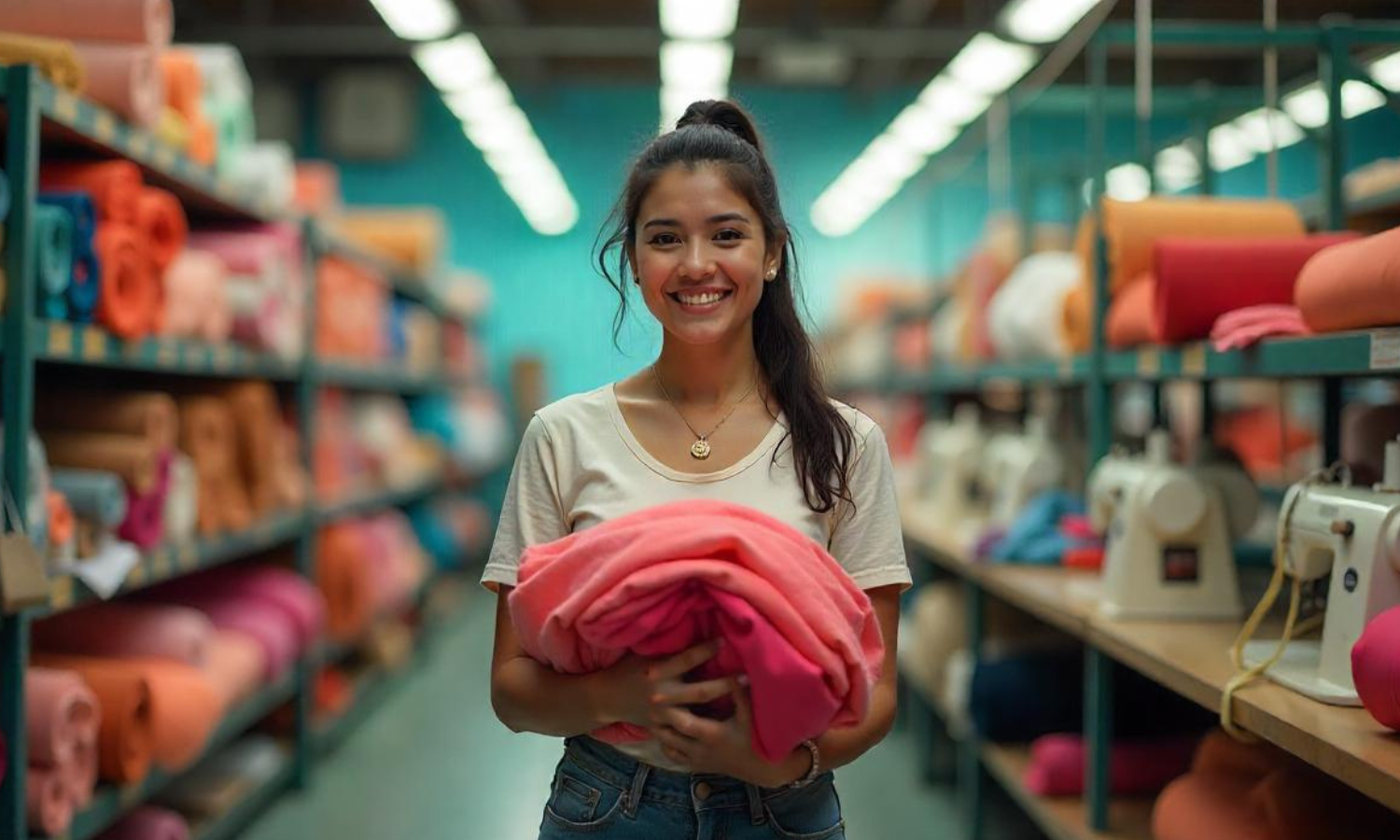
The export of textiles is an activity that dates back thousands of years and has been fundamental to global trade, as exemplified by the historic Silk Road. Although it has been part of international commerce for centuries, this activity has evolved significantly, adapting to the modern dynamics of globalization. Today, Asia stands out as a textile powerhouse and the world's largest exporter. The rise of fast fashion and the growth of digital commerce have transformed the way textiles are exported, bringing with them new requirements, regulations, and challenges.
Before delving into the technical aspects of textile export, it is important to define what we mean by “textiles.” This term includes a variety of products, such as clothing, fabrics, fibers, yarns, and woven goods. With that clarified, we can begin discussing the main requirements to consider when exporting textiles to the global market.
The first key step is identifying the type of product to be exported, as the requirements vary depending on whether the product is natural fibers, synthetic fibers, or pre-made garments. Once the product is defined, it is essential to know the parties involved in the trade: the exporting country and the importing country. Both will have specific local regulations that must be met during the export process.
It is equally important to verify whether there is a trade agreement between the countries involved, as these agreements can reduce tariffs and simplify processes, making textile exports easier and often more cost-effective.
One often overlooked aspect is the quality and safety of textile products. Although textiles are not human food products, many countries require that they meet specific standards in terms of materials, fiber composition, and labeling to be allowed into the market. These standards can be strict, so it’s crucial to be aware of them to avoid issues.
Textiles are also part of a certification world that ensures their sustainability, quality, and social responsibility. Some of the most important certifications worldwide include OEKO-TEX® Standard 100, Global Organic Textile Standard (GOTS), Fair Trade Certified™, Global Recycled Standard (GRS), and Bluesign®, among others. These certifications not only guarantee the quality and safety of products, but they have also become a competitive element within the textile industry.
Labeling is another essential aspect that should not be underestimated. Although textiles are not consumed directly, their labeling must comply with strict regulations in the countries where they are sold. The label must include information such as the material composition, care instructions with standardized symbols, country of origin, size (in the case of garments), and any certification the product holds.
Labeling not only provides key information to the consumer but also plays a crucial role in the legal standing and quality perception of the product in international markets.
Although exporting textiles may seem simple because they are not food products, the regulations and requirements for these goods are broad and complex. Complying with all the regulations is essential to ensure a successful export process.
If you have any doubts or don't know where to start, don’t hesitate to contact us. We can work with you to ensure your product meets all the necessary requirements and reaches international markets without any issues.
The export of textiles is an activity that dates back thousands of years and has been fundamental to global trade, as exemplified by the historic Silk Road. Although it has been part of international commerce for centuries, this activity has evolved significantly, adapting to the modern dynamics of globalization. Today, Asia stands out as a textile powerhouse and the world's largest exporter. The rise of fast fashion and the growth of digital commerce have transformed the way textiles are exported, bringing with them new requirements, regulations, and challenges.
Before delving into the technical aspects of textile export, it is important to define what we mean by “textiles.” This term includes a variety of products, such as clothing, fabrics, fibers, yarns, and woven goods. With that clarified, we can begin discussing the main requirements to consider when exporting textiles to the global market.
The first key step is identifying the type of product to be exported, as the requirements vary depending on whether the product is natural fibers, synthetic fibers, or pre-made garments. Once the product is defined, it is essential to know the parties involved in the trade: the exporting country and the importing country. Both will have specific local regulations that must be met during the export process.
It is equally important to verify whether there is a trade agreement between the countries involved, as these agreements can reduce tariffs and simplify processes, making textile exports easier and often more cost-effective.
One often overlooked aspect is the quality and safety of textile products. Although textiles are not human food products, many countries require that they meet specific standards in terms of materials, fiber composition, and labeling to be allowed into the market. These standards can be strict, so it’s crucial to be aware of them to avoid issues.
Textiles are also part of a certification world that ensures their sustainability, quality, and social responsibility. Some of the most important certifications worldwide include OEKO-TEX® Standard 100, Global Organic Textile Standard (GOTS), Fair Trade Certified™, Global Recycled Standard (GRS), and Bluesign®, among others. These certifications not only guarantee the quality and safety of products, but they have also become a competitive element within the textile industry.
Labeling is another essential aspect that should not be underestimated. Although textiles are not consumed directly, their labeling must comply with strict regulations in the countries where they are sold. The label must include information such as the material composition, care instructions with standardized symbols, country of origin, size (in the case of garments), and any certification the product holds.
Labeling not only provides key information to the consumer but also plays a crucial role in the legal standing and quality perception of the product in international markets.
Although exporting textiles may seem simple because they are not food products, the regulations and requirements for these goods are broad and complex. Complying with all the regulations is essential to ensure a successful export process.
If you have any doubts or don't know where to start, don’t hesitate to contact us. We can work with you to ensure your product meets all the necessary requirements and reaches international markets without any issues.